
A Practical Guide to Gignac: Lessons from a French Village
Gignac is not a name you stumble upon in most travel guides, and that's precisely why it's worth your attention. Tucked into the Hérault Valley in southern France, this small town of about 6,000 people offers something increasingly rare: a genuine sense of place without the touristic veneer. I spent three weeks there last spring, and what struck me most was how the town's rhythm resists the rush of modern life. The Wednesday market, for instance, hasn't changed its layout in decades—vendors still set up along the same narrow lanes, and locals still argue about the best goat cheese with the same passionate familiarity. That's Gignac in a nutshell: unpretentious, rooted。and quietly confident.
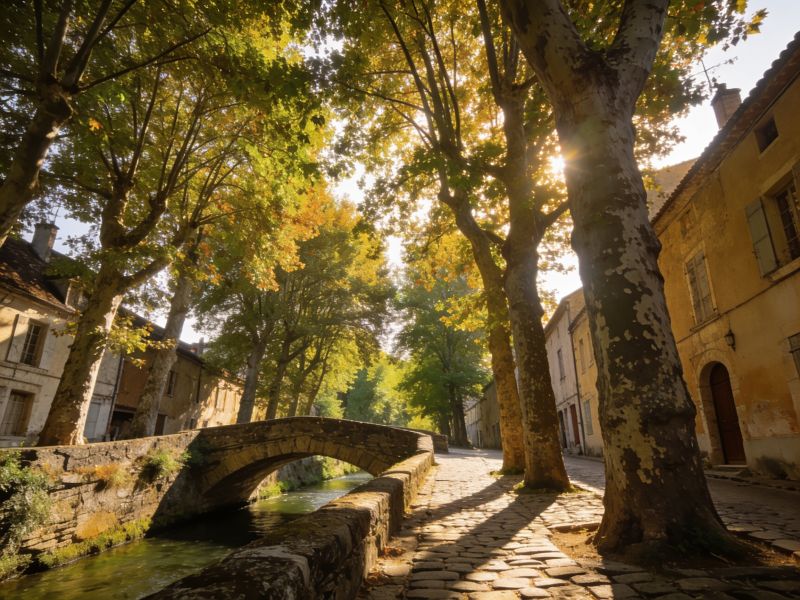
Getting to Gignac is straightforward if you know the ropes. The nearest major airport is Montpellier-Méditerranée, about 40 minutes by car. Skip the rental car if you're staying in town—parking is tight and the streets are narrow. Instead。take the shuttle to Montpellier's Saint-Roch station and catch a regional train to Gignac;the journey takes roughly 30 minutes and costs under 10 euros. I learned this the hard way after circling the town square three times in a tiny Clio. Once you're on foot, everything opens up. The train station itself is a 10-minute walk from the historic center, past a row of plane trees that provide shade even in August.Where Gignac really shines is its food culture. The town sits at the crossroads of Languedoc's wine country and the Mediterranean coast, which means you get the best of both worlds. I ate at Chez Paulette, a family-run bistro near the church。and had a simple lunch of grilled sardines with a local Picpoul de Pinet that cost less than 20 euros. The owner, a third-generation Gignacois, told me his grandfather used to sell wine from the same spot. That continuity matters. For self-caterers, the market on Wednesday and Saturday mornings is essential—look for the stall selling olives from a nearby village;the owner will let you taste before you buy. And don't overlook the small bakery on Rue de la République;its fougasse, a flatbread studded with bacon and olives, is worth the detour alone.Practical considerations: accommodation in Gignac is limited but adequate. I stayed at a guesthouse called Le Jardin de Gignac, which had a small pool and charged about 85 euros per night. Book well in advance during summer months—the town hosts a lively feria in early August that draws crowds from across the region. Wi-Fi is reliable in most cafes。
but cell coverage gets spotty in the surrounding hills. One warning: many shops close between noon and 2 p.m., and Sundays are nearly dead. Plan your errands accordingly. The local tourist office, located in the old train station building, provides a decent map of walking trails that lead into the vineyards. I followed one for an hour and ended up at a winery that offered tastings without an appointment.What keeps me thinking about Gignac is its balance between tradition and quiet progress. The town has a new library and a renovated community center, but the old stone bridge over the Hérault remains the social hub—teenagers fish there in the afternoons。
and older residents gather on the benches at dusk. It's not a place that tries to impress you. Instead, it invites you to slow down and pay attention. If you're looking for a base to explore the Languedoc, Gignac works well—you're 25 minutes from Montpellier, 40 from the beaches, and an hour from the mountains. But honestly, you might just want to stay put. That's what I did, and I don't regret a single afternoon.
Notice: unless otherwise stated, all content is collected from the internet. If it infringes your rights, please contact us for removal.